A VILLAGE LOST, A NEW CHAPTER BEGAN
THE STORY OF BATUR
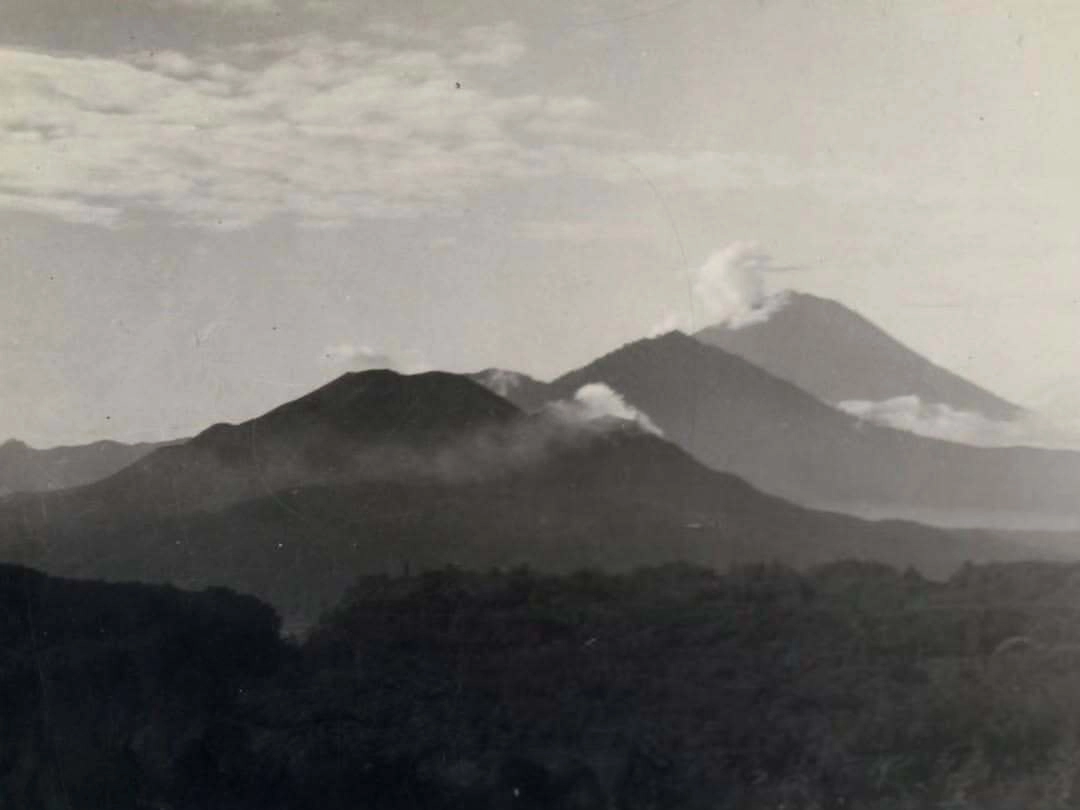
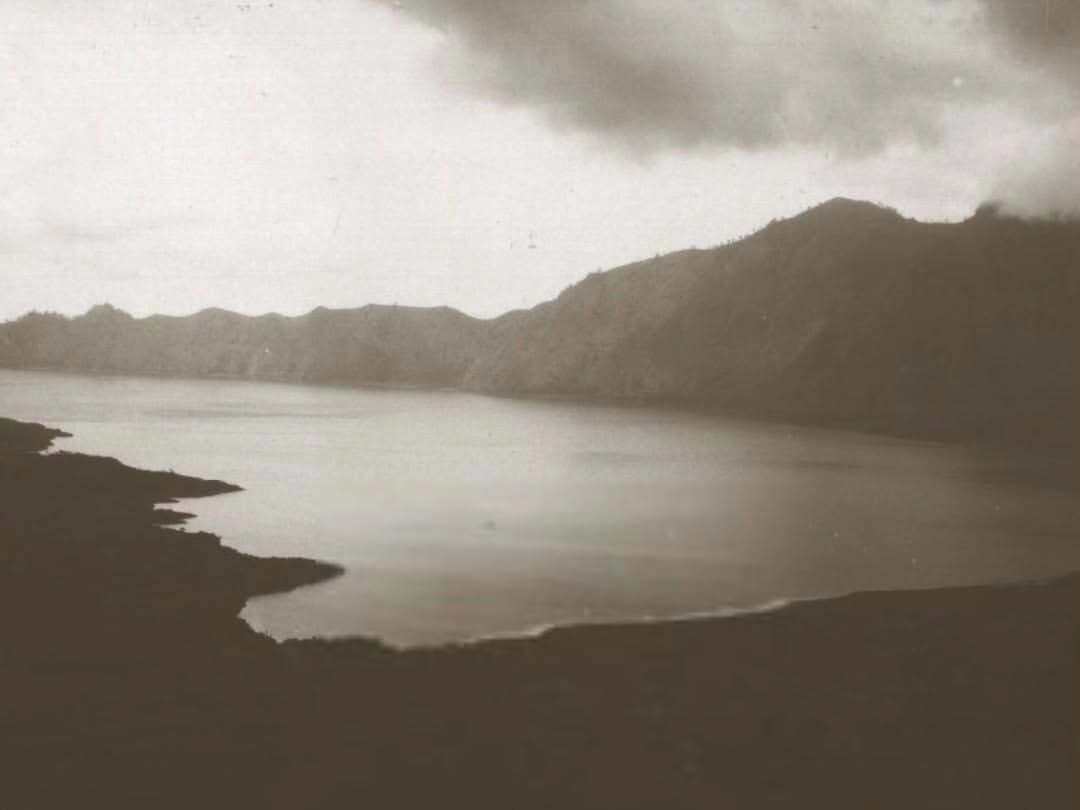
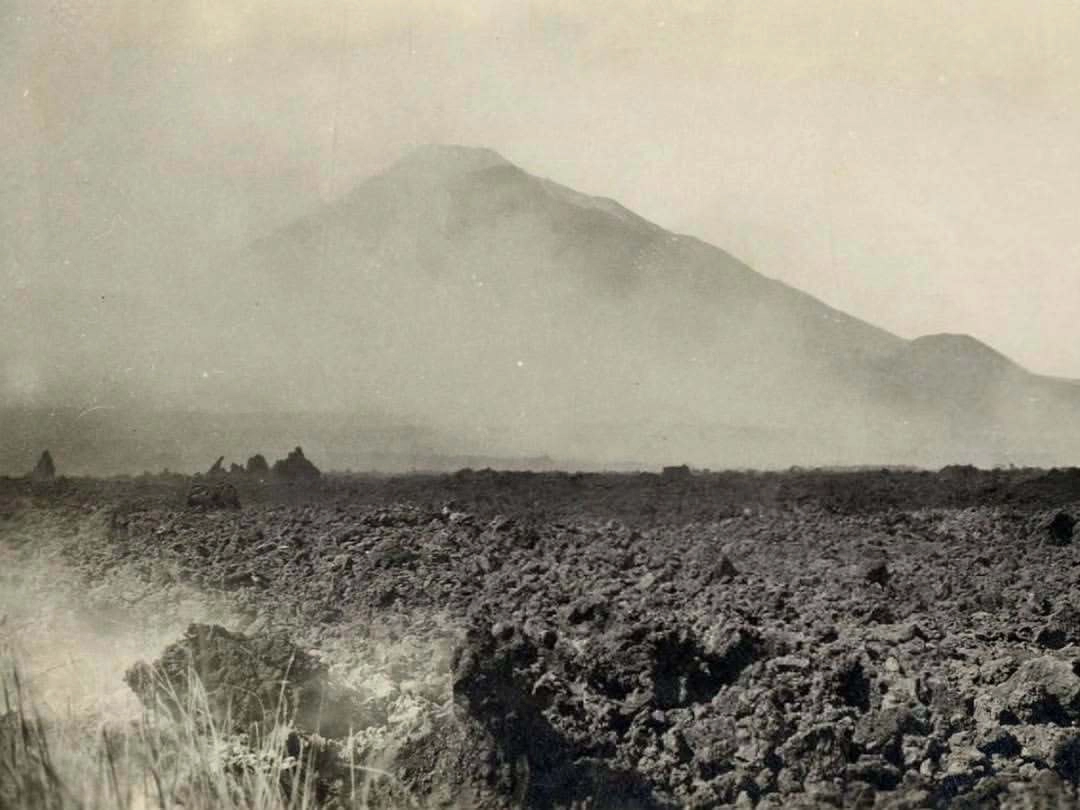
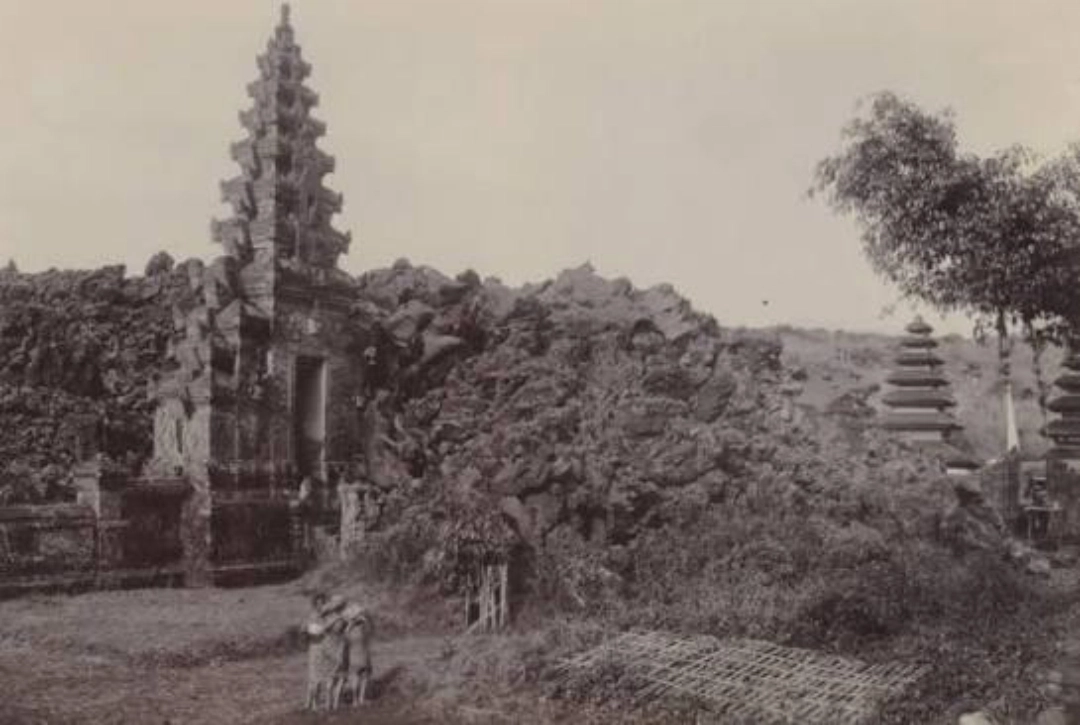
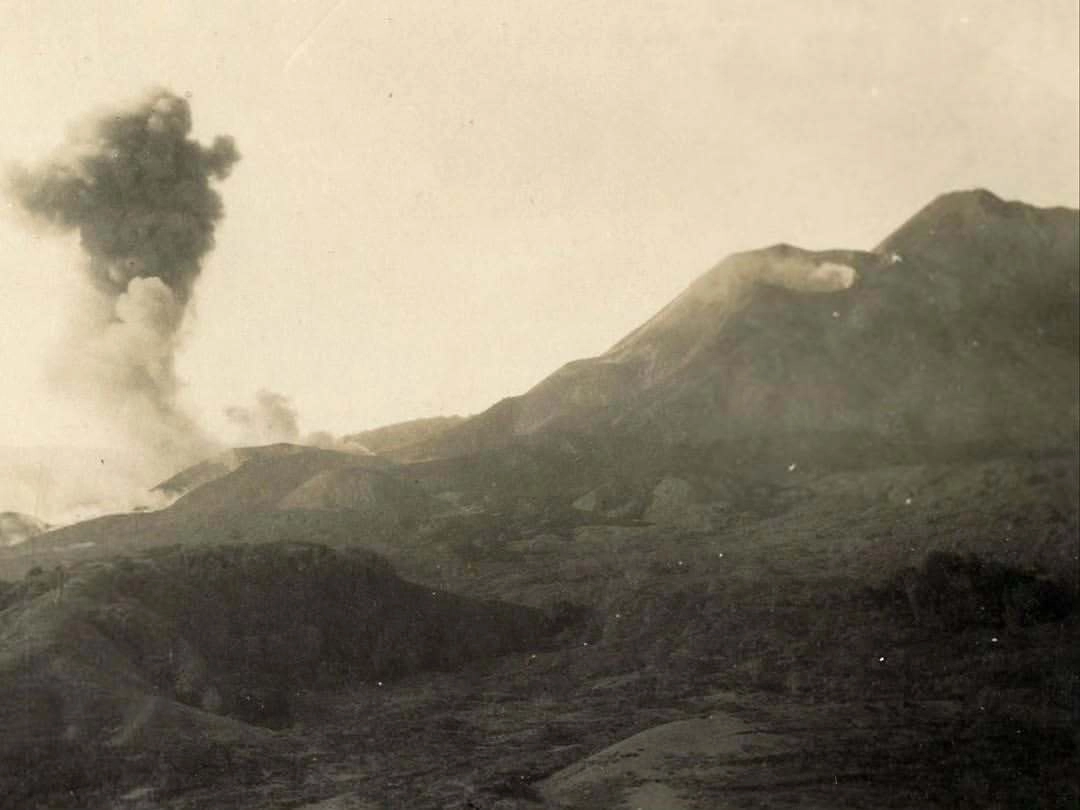
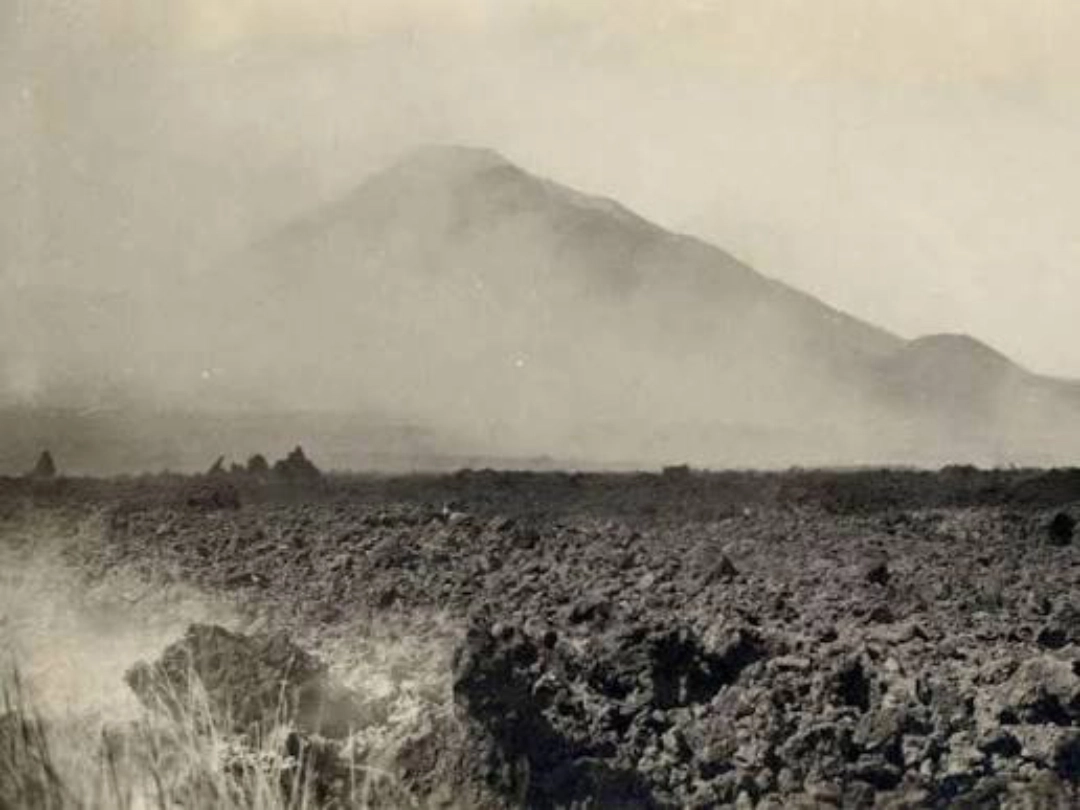
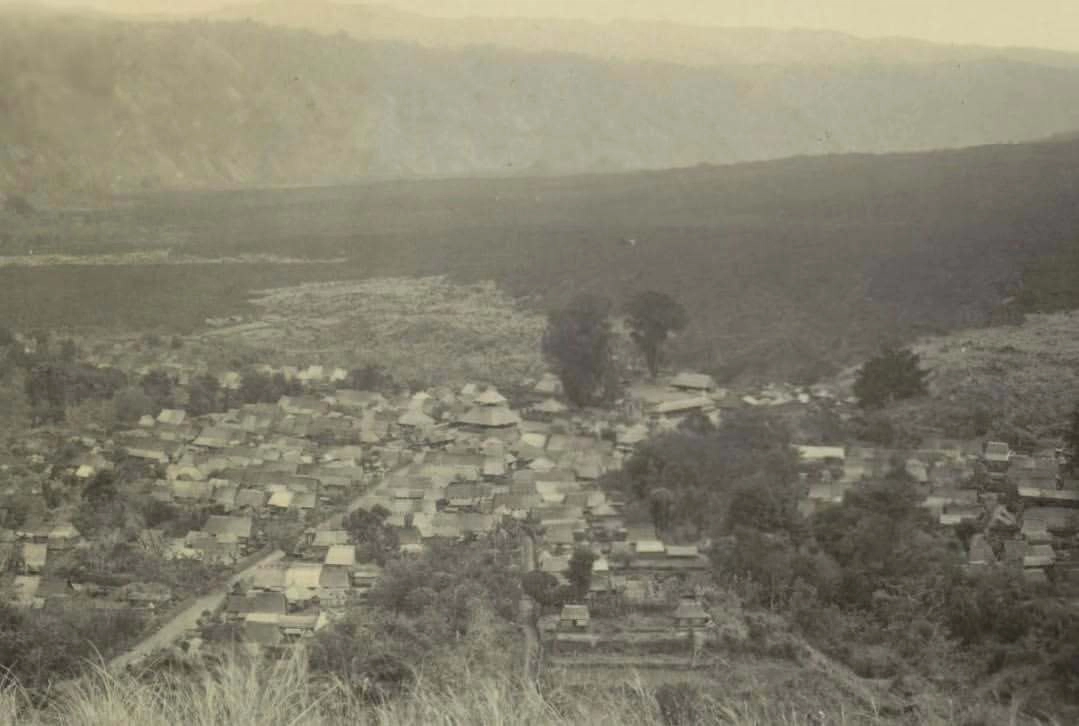
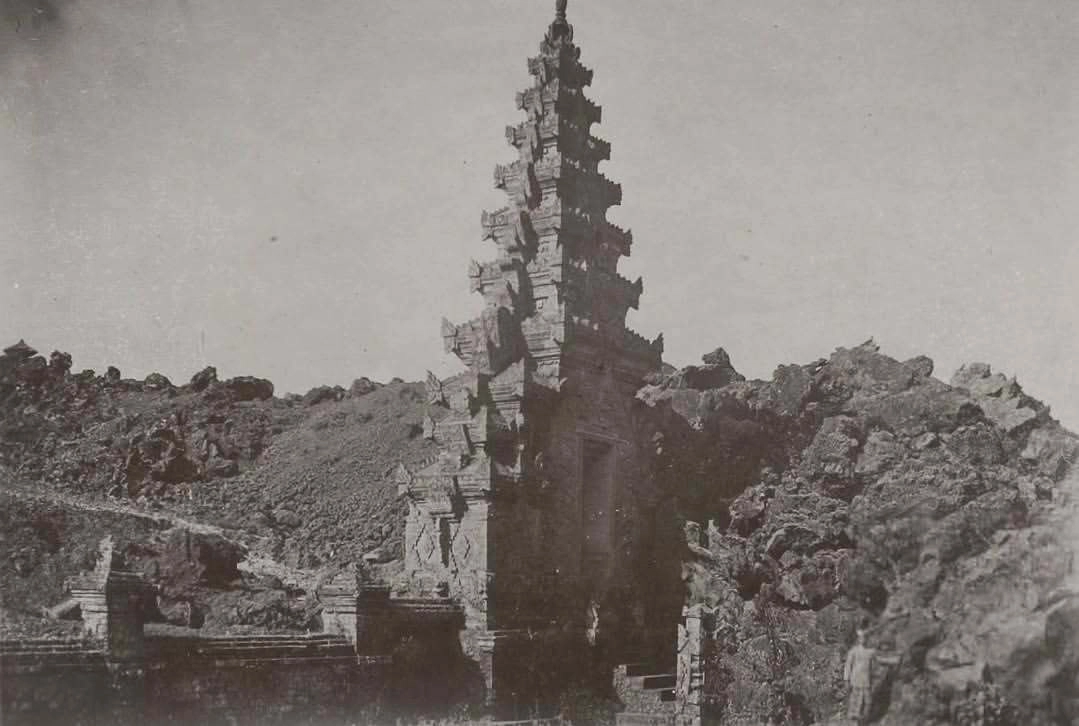
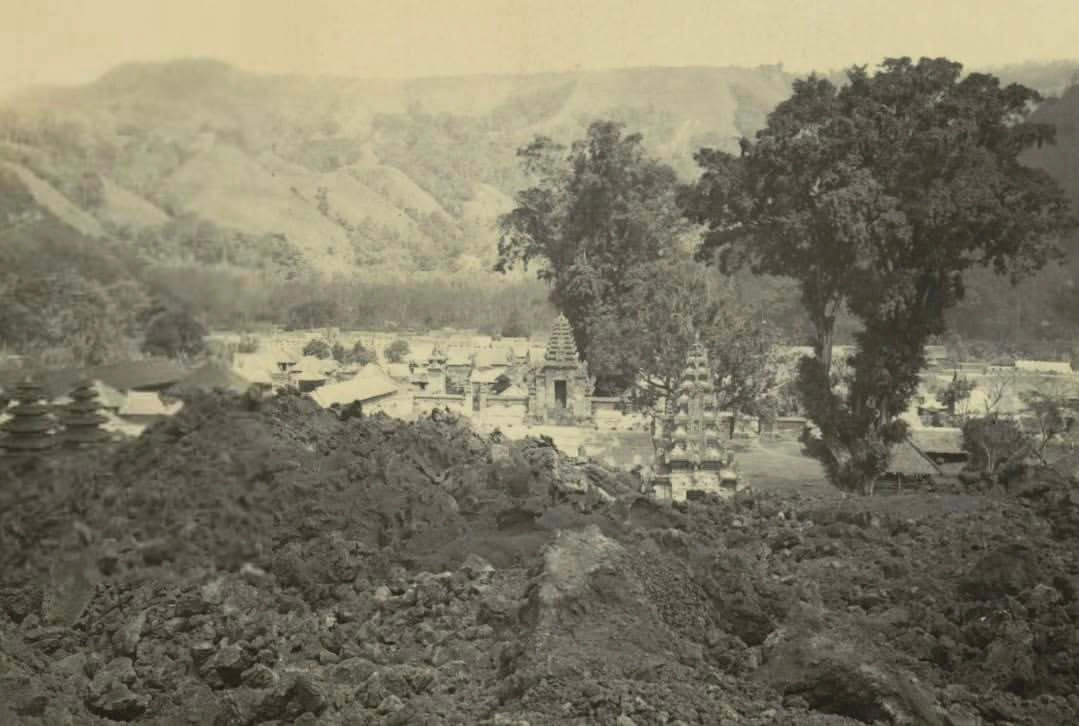
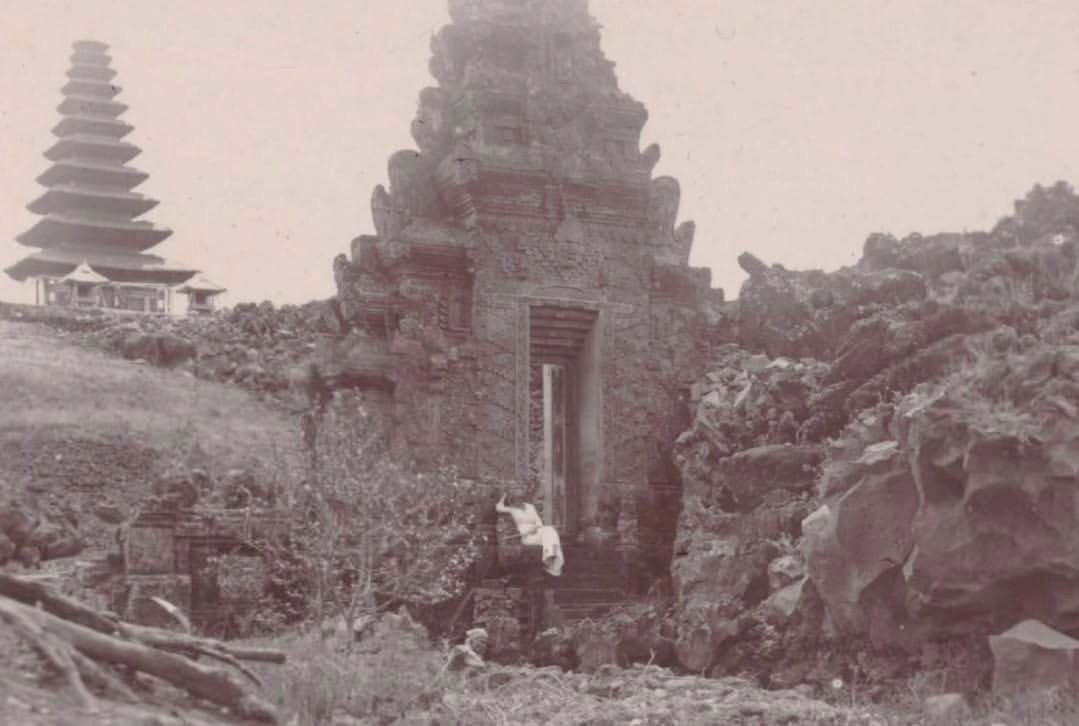
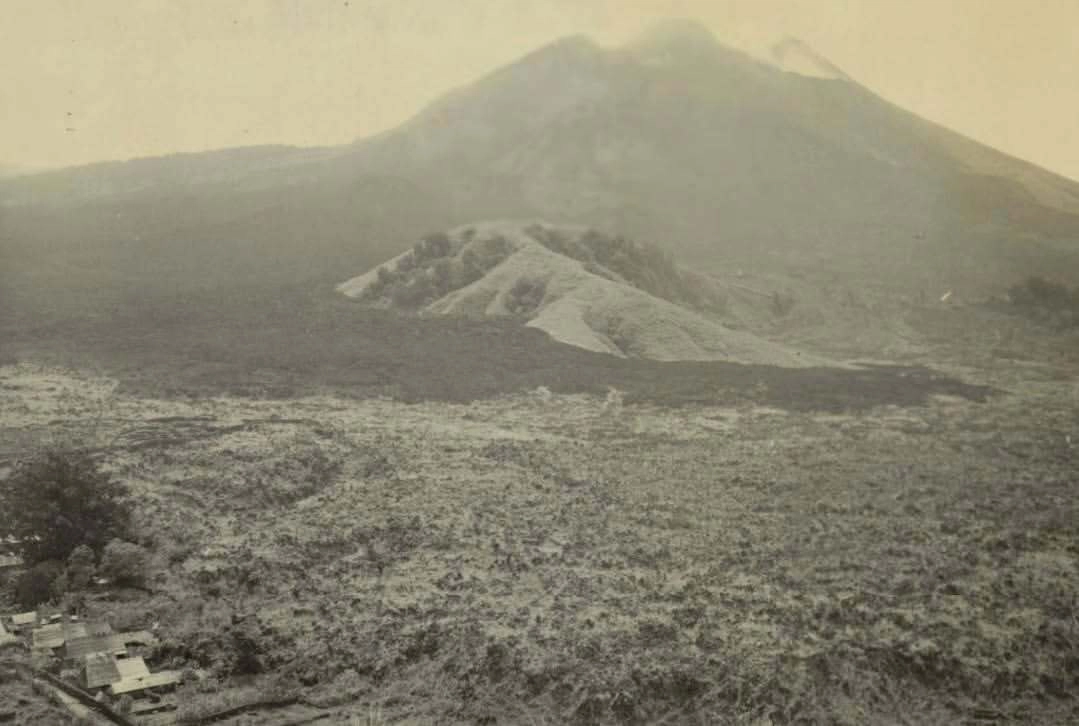
In 1926, the eruption of Mount Batur transformed the landscape of Batur. The powerful eruption and flowing lava destroyed the old village, forcing its people to leave their ancestral home and begin a new chapter in a different place. The community rebuilt their lives while carrying their traditions, beliefs, and connection to the land with them. What followed became an important part of Batur’s history — a story of resilience, adaptation, and a community that continues to live alongside the mountain that shaped its home. Today, the landscape stands as a reminder of the powerful forces of nature and the enduring spirit of the people of Batur.
WHEN BATUR HAD TO MOVE
RARUD BATUR 1926
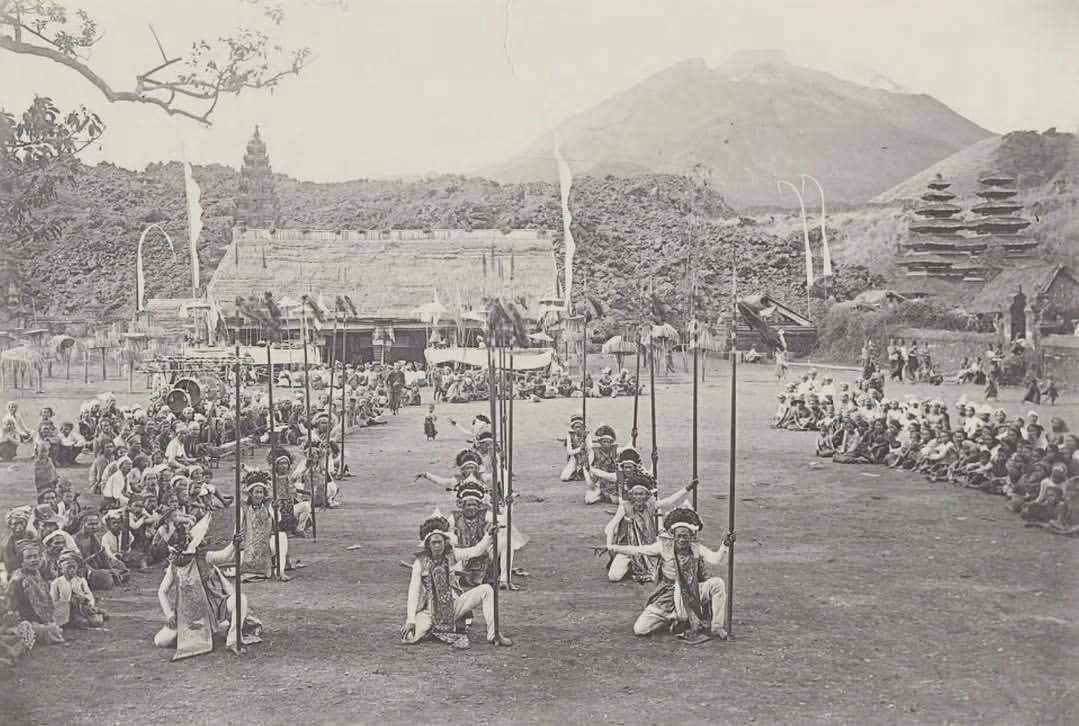
In 1926, the eruption of Mount Batur destroyed the old settlement of Batur and its original Pura Ulun Danu Batur, forcing the community to leave their ancestral home. They moved together, carrying their sacred heritage, traditions, and memories to a new place. After spending time in Bayung Gede, they eventually rebuilt their village where Batur stands today. Rarud Batur was more than a journey to a new home. It became a story of resilience — a community that adapted, rebuilt, and carried its heritage into a new generation. Today, a century later, its story remains part of Batur’s identity.
THE TASTE OF BATUR
MUJAIR NYAT NYAT
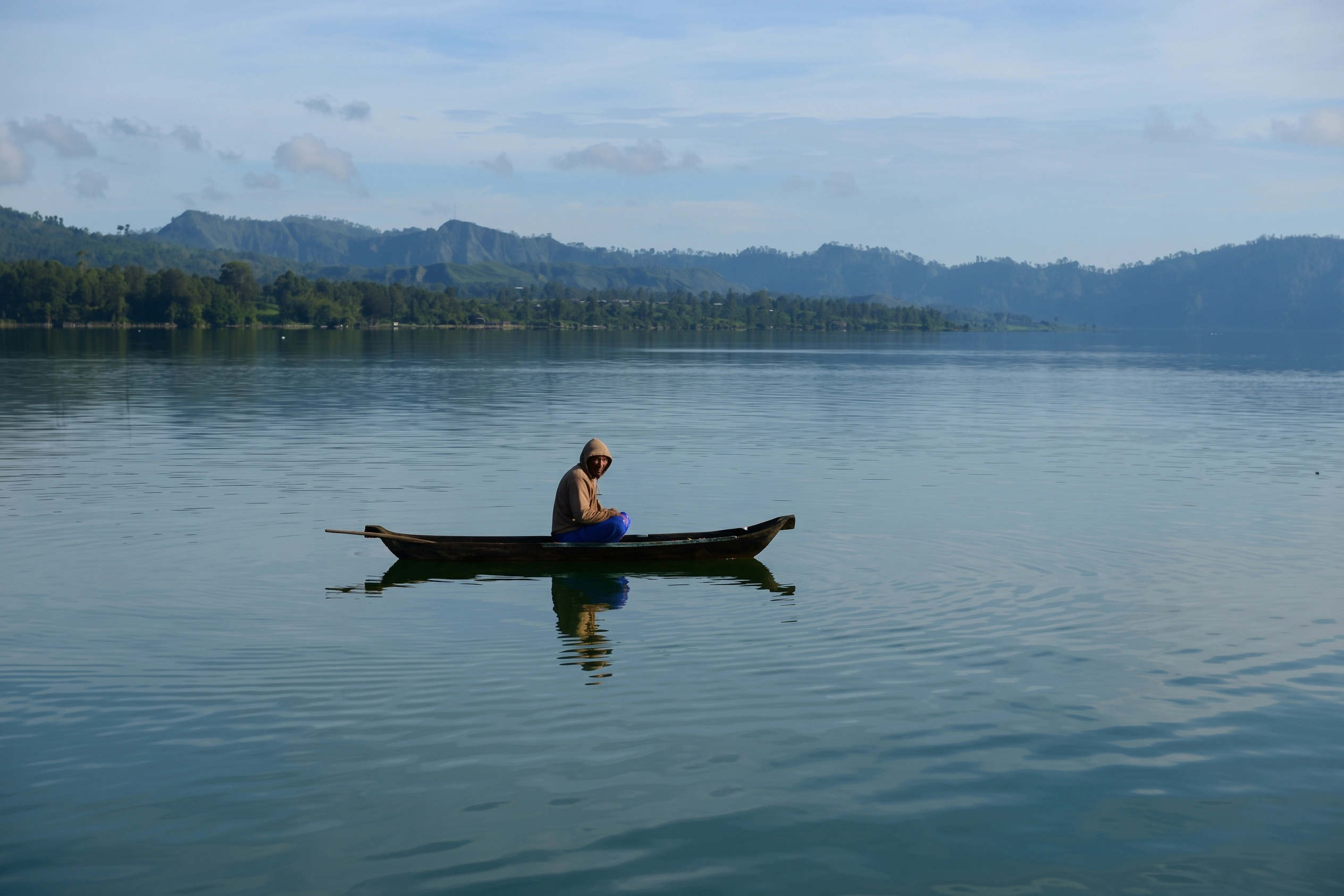
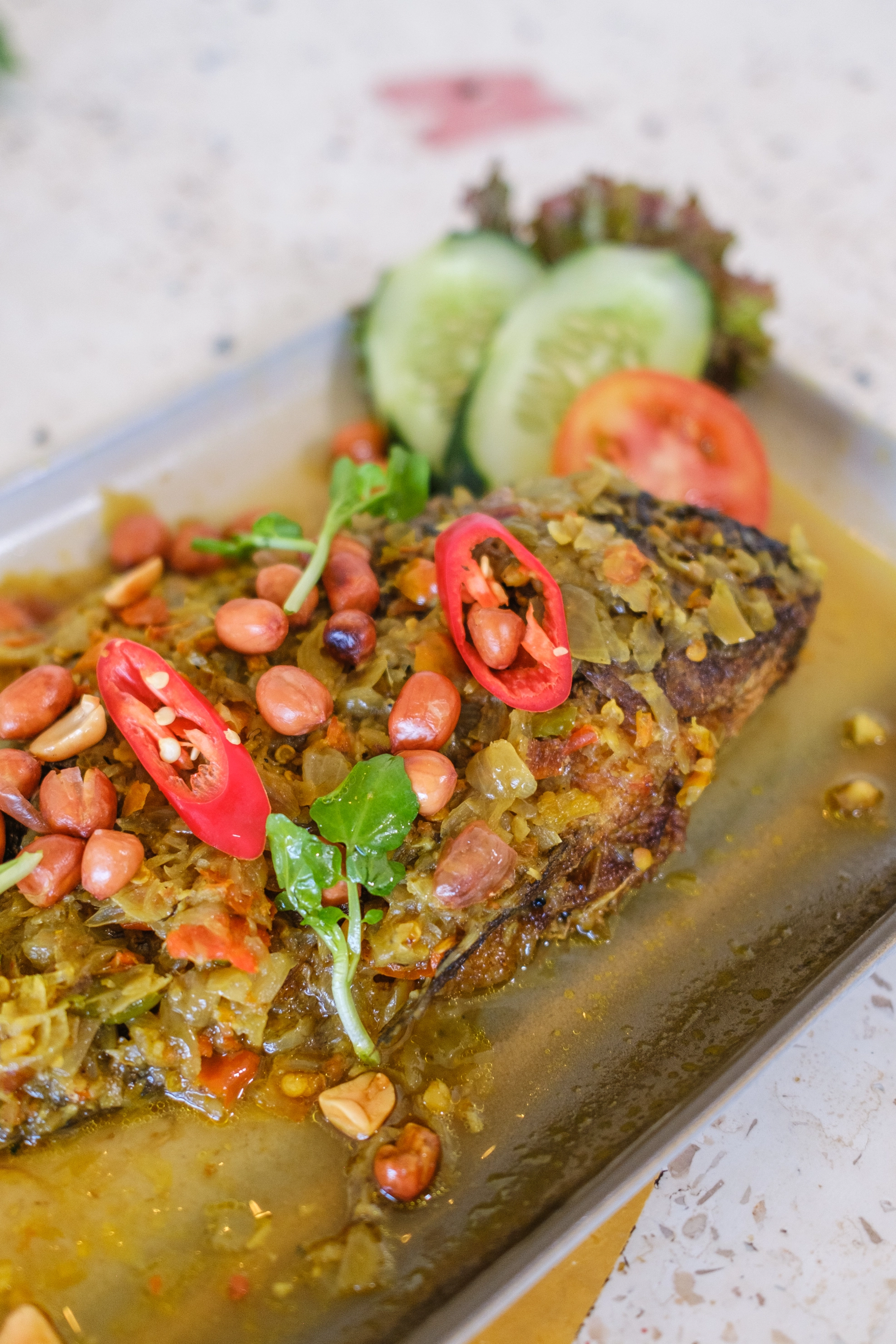
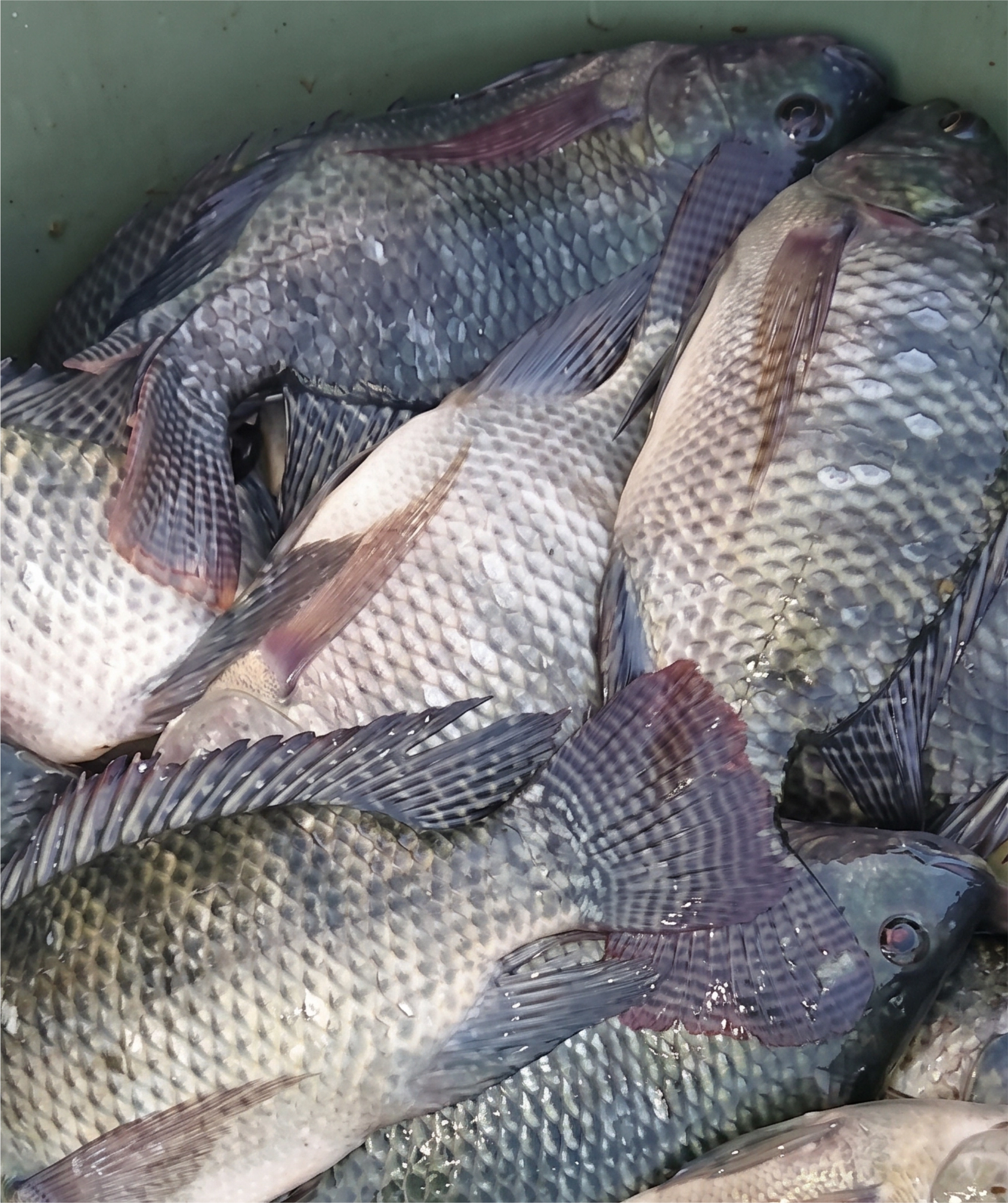
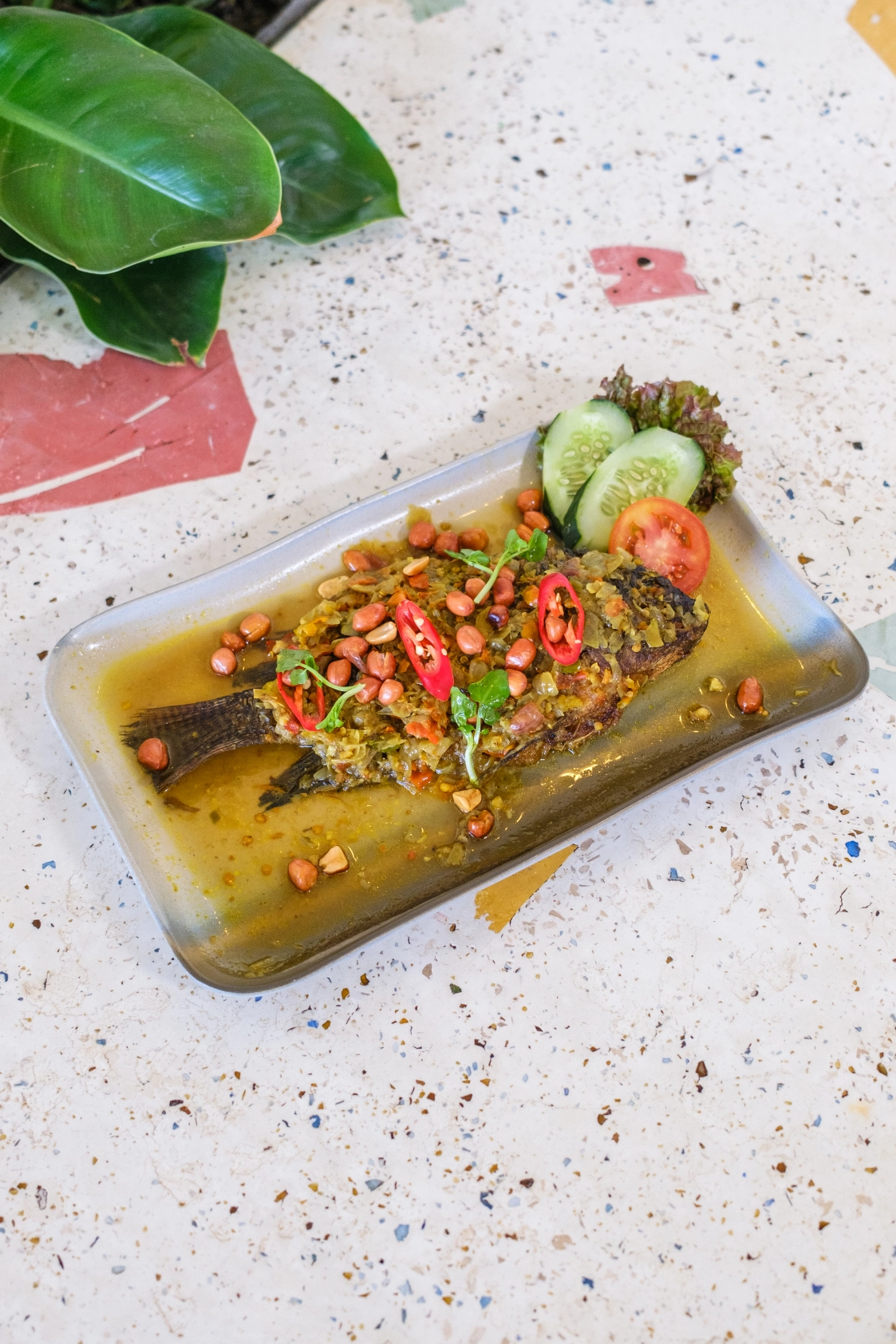
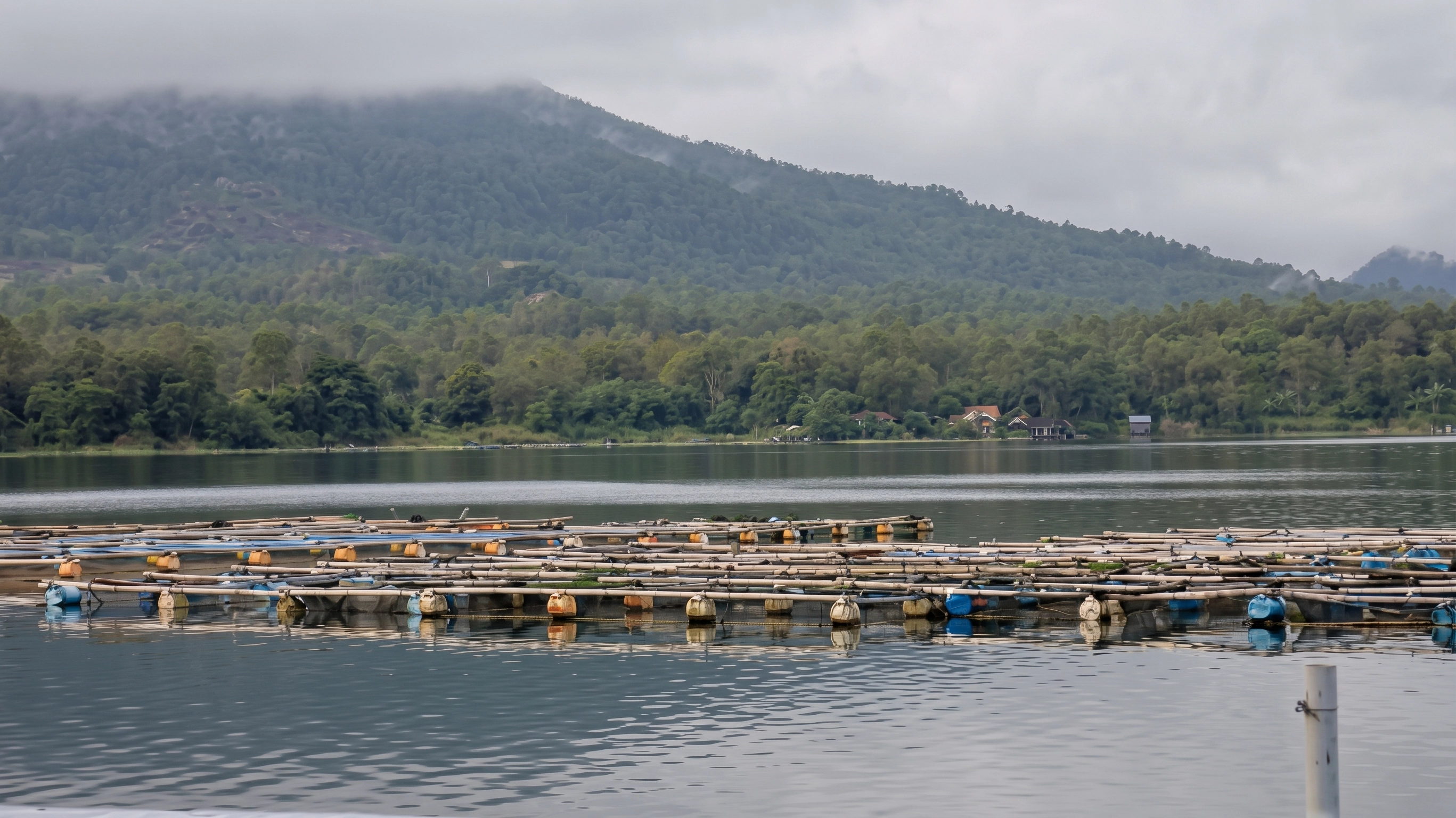
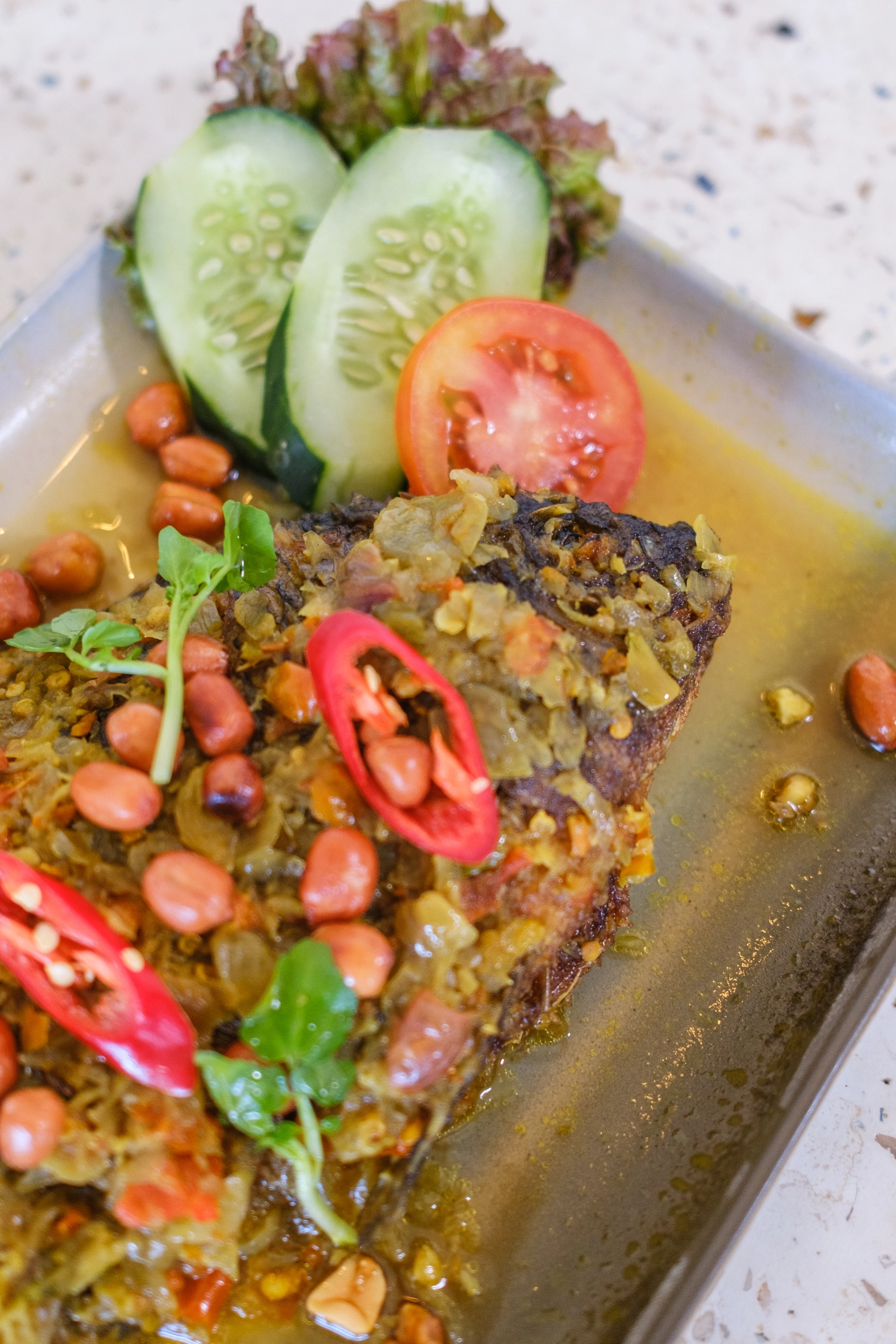
For generations, the waters of Lake Batur have been part of everyday life in Kintamani, providing not only a breathtaking landscape but also a source of food for the communities around it. One of the dishes closely associated with this region is Mujair Nyat Nyat — fresh tilapia cooked with a rich blend of Balinese spices, creating a dish that is deeply rooted in the flavors of the highlands. Simple, comforting, and full of character, Mujair Nyat Nyat is more than a traditional dish. It is a taste of Batur — a reflection of the lake, the land, and the people who have made this place their home.